













If you buy software for a business, the shape of your bill is changing, and the change is not a price rise. It is a change in what you are being charged for.
The old model was per seat per month. Predictable, easy to budget, and easy to audit: count the people, multiply. The new model, arriving through AI features, is per use. Credits, tokens, runs, actions, tasks. Whatever the noun, the bill now moves with how much work the software does rather than how many people have a login.
Three practical consequences, before the philosophy.
Your worst month is no longer your biggest headcount month. It is your busiest month. A tool that costs nothing in July because nobody used it can cost several hundred in a week in November, and nothing about the plan changed.
One enthusiast can spend the team's budget. With seats, the heaviest user costs the same as the lightest. With usage, they do not. This is not a reason to discourage the enthusiast. It is a reason to know who they are before the invoice tells you.
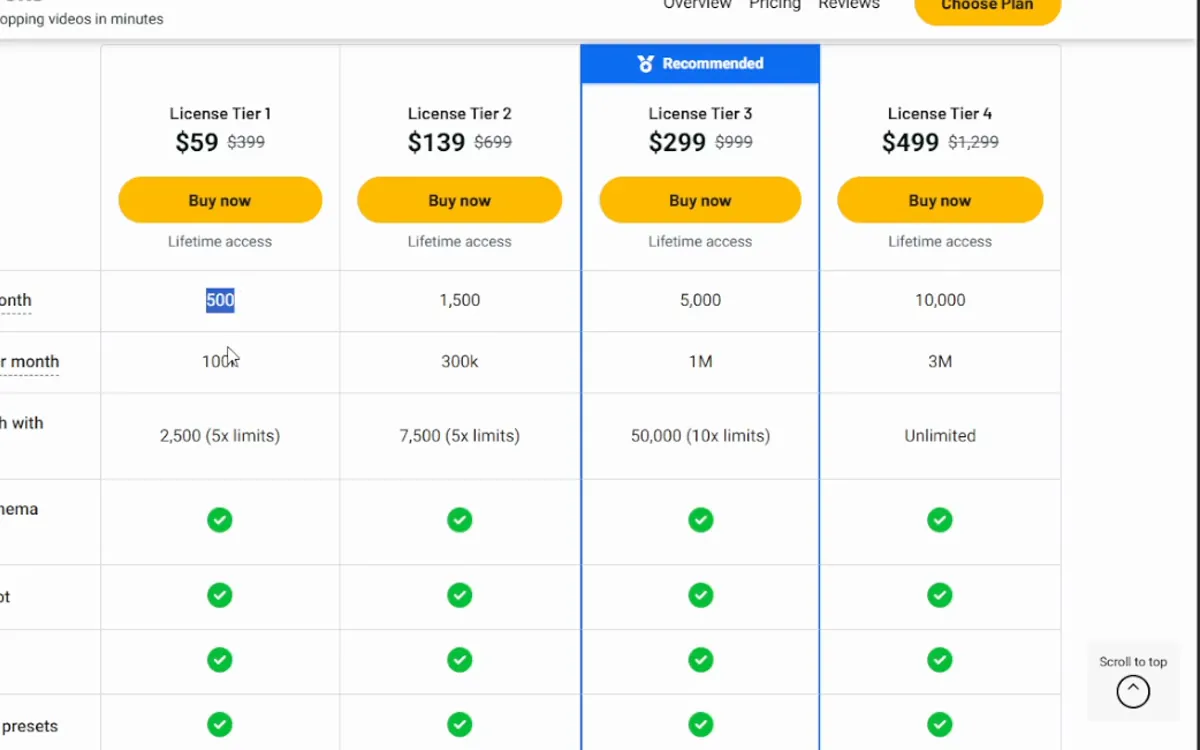
The cap is the product. When you compare two tools, the headline price is now the least informative number on the page. What matters is what a unit of work costs, what is included, what happens at the limit, and whether hitting the limit stops the work or silently bills you more.
What to ask a vendor, in writing, before you commit:
What exactly consumes a credit, with an example of a typical task and how many it uses. Vendors will answer this, and the answer is often surprising.
Is there a hard cap I can set, per workspace and per user, and what happens when it is reached.
Do unused credits roll over, and do they expire.
Can I see current usage without opening a support ticket.
Then set your own cap below the one you can afford, so the alert arrives before the invoice does.
The model itself is not a trick. Usage pricing can be much cheaper than seats for a small team that uses a tool occasionally, which describes most tools most of the time. It just moves the risk from a number you chose to a number your team generates, and budgets that were never built for that need rebuilding.