











A lifetime deal is priced against a subscription you were never going to buy. That is the trick in the arithmetic, and it is worth doing the arithmetic anyway, because the number it produces is useful once you stop pretending the word lifetime means yours.
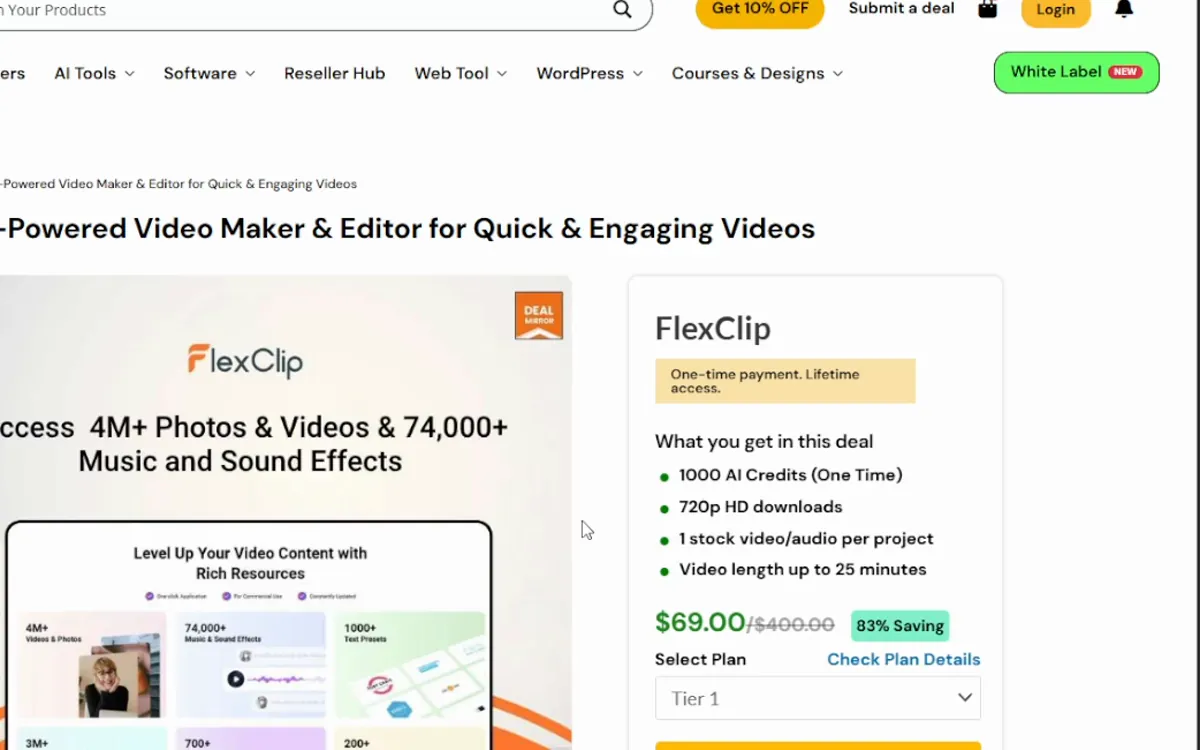
Start with the break-even. A $69 one-time license against a $19 a month plan pays for itself in about four months. Against a $9 plan it takes eight. Against a free tier that already does the job it never pays for itself at all, which is the case more often than the deal page suggests. So the first question is not what the subscription costs. It is which plan you would actually have paid for, and whether you would have paid for one.
Then put a survival number on it. Lifetime means the product's life, not yours, and nobody selling one knows how long that is. You do not need a forecast to use this. Price the deal as though the company has two good years in it, because two years is roughly what a small tool that sells its future revenue at a discount tends to get. At two years, $69 is about $2.90 a month. That is still cheap for something you use weekly. It is expensive for something you open twice.
The part the math misses is what happens on the last day. Ask what you keep when the servers go off. A tool that exports your data in a format something else can read costs you an afternoon. A tool that holds the only copy of your work in its own shape costs you the work. An open-source tool you can host yourself costs you nothing at all, because the license was never the thing keeping it alive. That difference is larger than any price on the page.
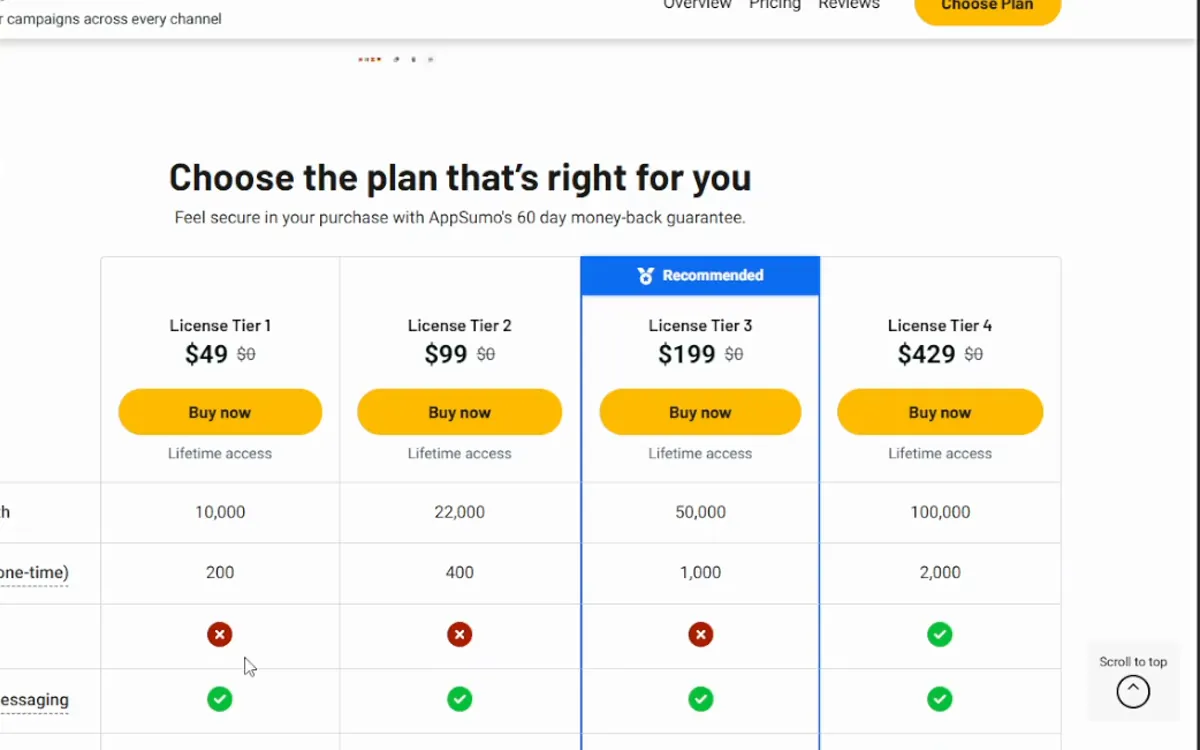
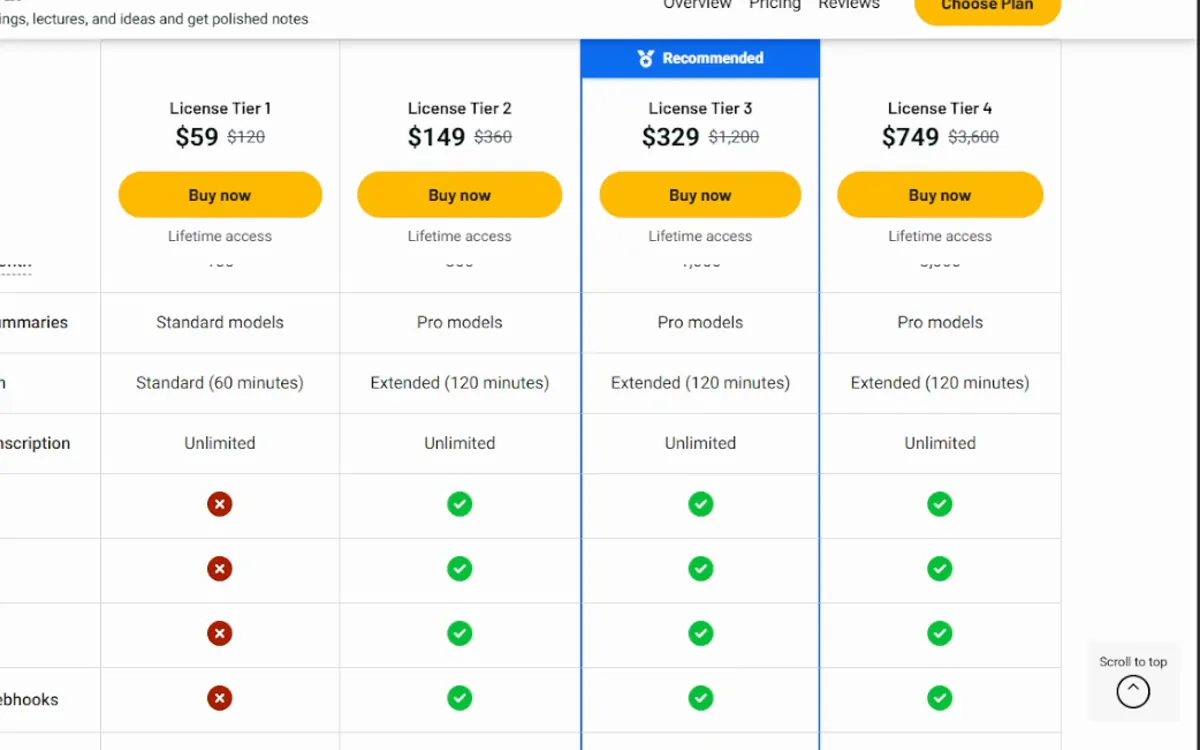
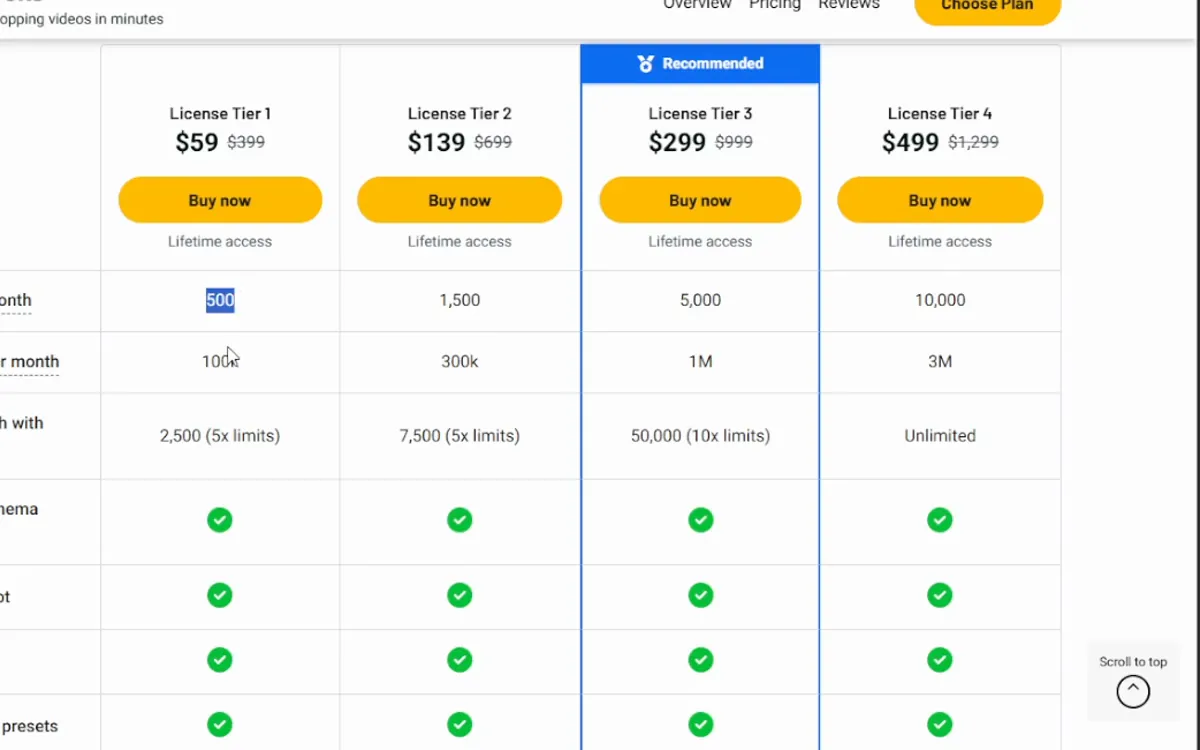
Credits are the other place these deals stop being lifetime. A plan that grants a monthly allowance of AI tokens, renders, emails or minutes is a subscription with the payment moved to the front. The allowance is set by what the vendor pays a third party, and that cost is not under their control, so it gets cut. Read the tier table for a number per month and treat the deal as a prepayment against that number, not as access.
The switching cost is what you are really buying, and it runs the other way from the price. A $49 deal that becomes the place your invoices live is a commitment. A $299 deal you can walk away from in a morning is not. I would rather overpay for something replaceable than get a bargain on something that moves in and takes the furniture.
Two habits make the rest of it safe. Use the refund window as a test rather than a safety net: install the thing in the first week, put real work through it, and decide before the window closes instead of on the day it does. And check whether you could build it. Not everything, and not for free, but a scheduler, a form, a redirect table or a status page is usually a weekend and a $5 host, and knowing the build cost is what tells you whether $69 is a deal or just a smaller number.
The short version: work out the break-even, divide the price by two years, and then ask what you keep when it stops. If the answer to the last one is nothing, no price is low enough.